Be the first to review “GI COACH SCREW 1/4X2”” Cancel reply
Description
DESCRIPTION:
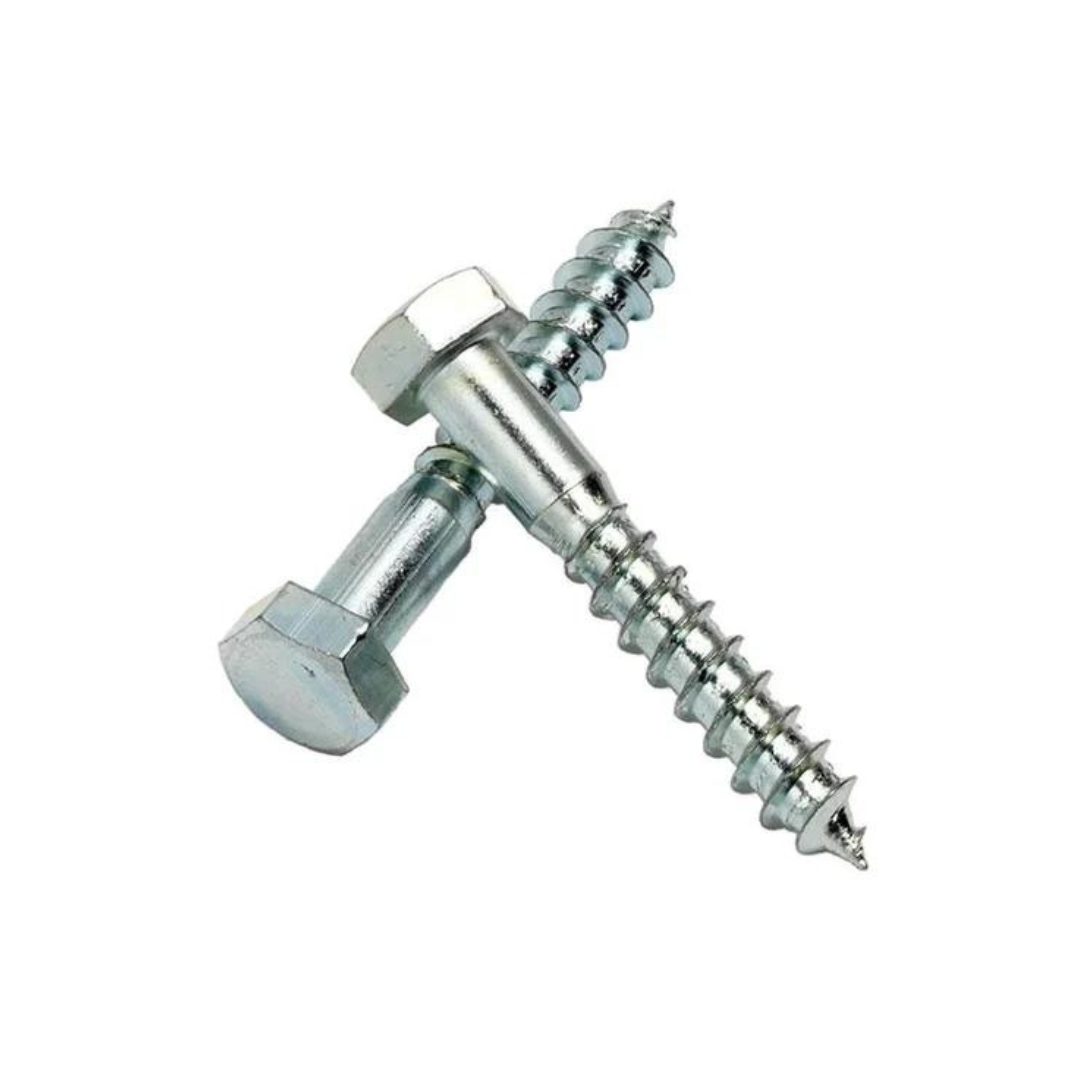
A “GI coach screw 1/4 x 2”” is a specific type of fastener with the following detailed characteristics.When using a coach screw, ensure it is appropriate for the load and material in your specific application, and that it is installed correctly to achieve the best performance and safety.
Material: Galvanized Iron (GI) – The screw is coated with zinc to provide a protective layer against rust and corrosion. This coating makes it suitable for use in outdoor or humid environments.
Type: Coach Screw – Also known as a lag screw, this fastener is designed for heavy-duty applications. It features a thick, coarse thread for enhanced grip and holding power in materials such as wood, metal, or masonry.
Size:
Diameter: 1/4 inch (approximately 6.35 mm) – This is the diameter of the screw shaft, determining its thickness and strength.
Length: 2 inches (approximately 50.8 mm) – This is the length of the screw from the head to the tip, indicating how deep it will penetrate the material.
Head Type: Typically, coach screws have either a hexagonal or square head:
Hexagonal Head: Designed for use with a wrench or socket, allowing for strong torque and secure tightening.
Square Head: Provides a different type of grip and can be driven with a spanner or wrench.
Thread: Coarse – The screw has a coarse, robust thread pattern that provides strong holding power and is ideal for heavy-duty applications. Coarse threads are less likely to strip compared to fine threads and are better suited for securing large or heavy components.
Applications: GI coach screws are used in various heavy-duty fastening applications, including:
Securing structural components in construction.
Attaching large wooden or metal pieces.
Fixing heavy machinery or equipment.
Joining materials in outdoor or harsh environments where corrosion resistance is important.
Installation:
Pilot Hole: For harder materials, a pre-drilled pilot hole is often recommended to avoid splitting or cracking the material.
Driving: The screw is installed using a wrench or socket to apply sufficient torque, ensuring a secure and stable connection.








Reviews
There are no reviews yet.